How to Clean VR Headsets Between Sessions (Fast, Safe, Guest-Visible)
The 90-second between-session hygiene routine, what chemicals are safe on lenses and faceplates, and why visible cleaning is a marketing asset.
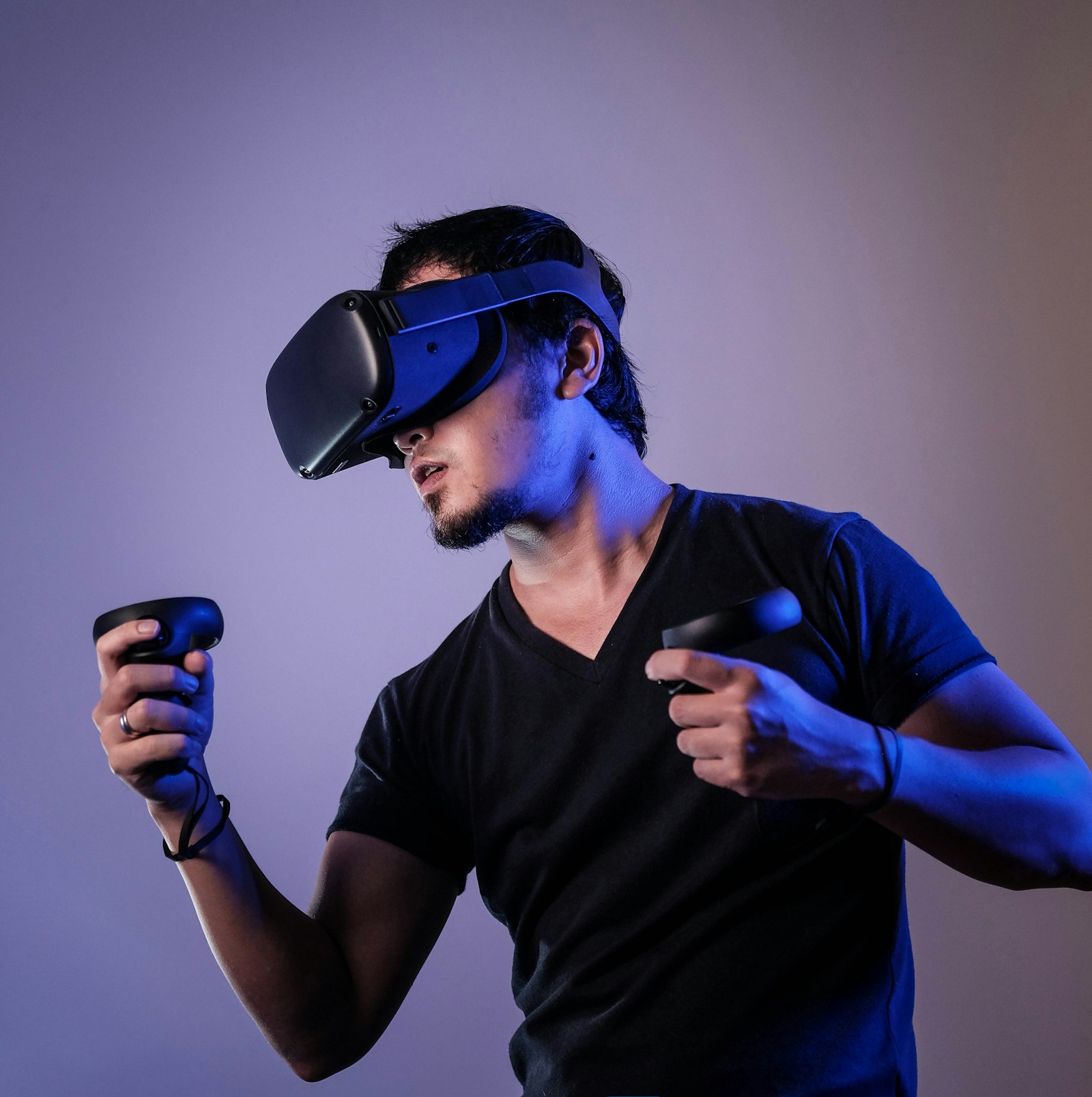
Ask guests what almost stopped them trying VR and hygiene is answer #1 — "someone else's sweaty headset" is the category's biggest objection. Which makes cleaning two things at once: an operational necessity and, done visibly, a selling point. Here's the routine that keeps a fleet safe without wrecking your session turnover.
The 90-second between-session routine
Per headset, between every group:
- Wipe the facial interface — silicone/PU gasket wiped with a non-alcohol antibacterial wipe (10 sec). If you run foam, stop; swap to wipeable gaskets or disposable covers.
- Wipe straps and touch surfaces — halo ring, adjustment dial, controllers, grips (30 sec).
- Lenses: microfiber only, dry. Never alcohol, never ammonia — coatings cloud permanently. Smudges get the dry cloth; that's it (10 sec).
- UV or drying rack — headset goes on the rack/UV cabinet until the next group; rotation means it's had minutes of downtime plus airflow (0 sec of labour).
- Visual check — cracked gasket, frayed strap, low battery → pull it, grab a spare (this is why you bought spares).
Run it as a station: cleaning caddy at gear-down, staff wipe while the next group is being briefed. In a well-run turnover the cleaning happens inside the briefing window and costs zero schedule time.
What's safe on what
| Surface | Safe | Never |
|---|---|---|
| Lenses | Dry microfiber | Alcohol, ammonia, paper towel |
| Silicone/PU gasket | Non-alcohol antibacterial wipes; mild soap weekly | Bleach, soaking |
| Foam (if you must) | Disposable covers per guest | Wipes (foam absorbs, degrades) |
| Plastics/straps | Isopropyl ≤70% wipes | Abrasives |
| Controllers | Isopropyl ≤70% wipes | Submersion, vents |
UV-C cabinets are worth it at scale: 60-second cycles, no chemicals near lenses, and they double as organized storage. Budget $500–2,000 and treat it as the "dishwasher" of the gear room.
Daily and weekly layers
- Daily close: full wipe-down of every unit, gasket soap-wash rotation, cable inspection, battery cycling, controller battery swap.
- Weekly: deep-clean gaskets (or replace), strap wash, lens inspection under light, firmware/updates pass, and a fleet-health note — which units are aging out.
Log it. A dated cleaning log is also what your insurer and your waiver process want to see if anyone ever claims a skin issue: documented routine = defensible operation.
Make it visible (this is the marketing part)
Hygiene theater matters as much as hygiene:
- Clean in view of the queue, not in a back room. Guests watching gaskets get wiped stop worrying.
- Say it in the flow: a line in the safety briefing — "every headset is sanitized between groups and UV-treated" — converts nervous first-timers.
- Publish it: a hygiene section on your site and Google Business Profile answers the objection before it's asked, and it's content competitors don't bother writing (local SEO win).
- Photos of your UV cabinet outperform photos of your logo.
Hygiene affects your schedule math
Every minute of turnover is inventory. The wipeable-gasket + rack-rotation setup keeps per-headset handling under 90 seconds and off the critical path; foam pads and improvised wiping put 5+ minutes between your sessions, which across a Saturday is a whole sellable slot. Cleanliness and utilization are the same project.
Session turnover, briefings and check-in choreography all live in the same schedule — see how operators run the floor from one console, live in the demo venue.